What to Pack for a Dental Trip to the Philippines (2026)
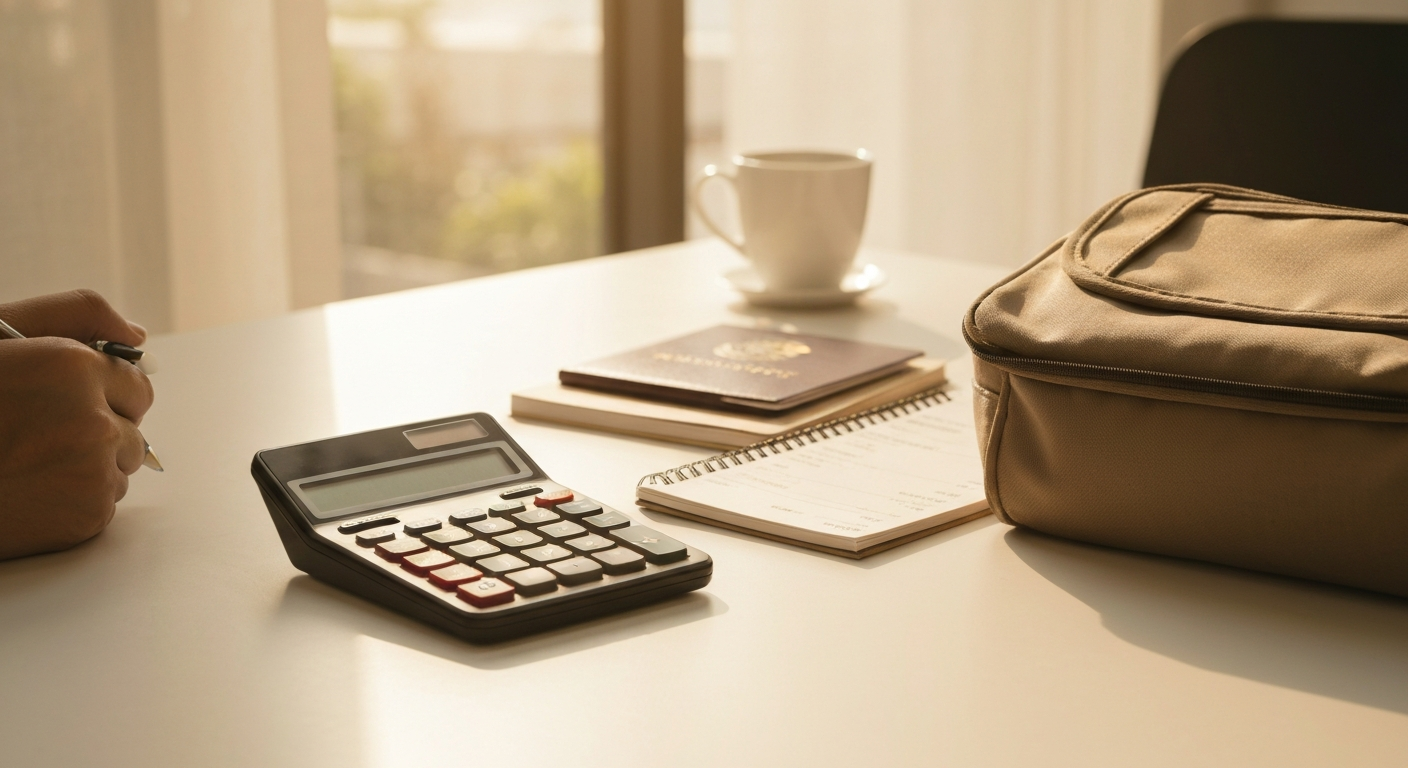
Quick Answer: The written itemised quote is the most important thing in your bag. After that: your home dentist’s records and X-rays, a typed list of your regular medications, your prescription medicines in their original labelled packaging in your carry-on, the clinic’s address and phone number written down somewhere that does not need a battery, and one long-sleeved layer for the air-conditioning. Nearly everything else — toiletries, soft food, an umbrella, a towel — you can buy locally, so use your allowance on the things that cannot be replaced.
Packing for a dental trip is mostly a paperwork exercise. The clothes are easy: it is hot outside, cold indoors, and dress is casual everywhere you will need to go. What people actually get wrong is arriving without the documents that protect them, or with two weeks of blood-pressure tablets loose in a pill box and no prescription to prove what they are.
The itemised quote comes first
Print your itemised quote and put it in your bag before anything else goes in. It is the document that decides what happens if the number at the counter is not the number you were told, and a screenshot on a phone with a flat battery is not the same thing.
You want the version that lists each item separately — implant fixture, abutment, crown, any grafting, imaging, consultation — with a currency named against every line. Bring the email thread it arrived in too, because the dates and the sender matter as much as the figures. If the plan changes after the in-person examination, which is common, you will be comparing the new plan against the old one line by line, and that comparison is much harder from memory. Our guide to reading a Philippine dental treatment plan explains what each line should say.
Bring your own clinical records
Bring digital copies of everything your home dentist holds, even though the Philippine clinic will almost certainly take its own imaging on arrival. Your records show history; a fresh scan only shows today.
Useful to have with you:
- Any panoramic X-ray, CBCT scan or periapical images, exported as image files rather than photos of a screen
- Recent clinical notes, and any treatment plan or quote from a dentist at home
- A note of past extractions, root canals, grafts or implants, with rough dates and, if you have them, the implant brand and size
- A written second opinion if you sought one
Email these to yourself as well as putting them on your phone, so they survive a lost device. Sending your dental records to a Philippine clinic covers file formats and how to request them from a practice that is reluctant to hand them over.
Your regular medication, packed properly
Bring your own prescription medication in its original labelled packaging, in your carry-on, with a copy of the prescription. This is the part of a packing list where improvising causes real problems, and it is the easiest thing to get right.
Practical points:
- Keep tablets in the pharmacy-labelled box or blister strip, not decanted into an unlabelled organiser
- Carry a photo or paper copy of the prescription, and a typed list of everything you take, written in plain generic terms
- Pack enough for the whole trip plus spare days, in case your return moves
- Keep it in hand luggage, not the hold
Give that list to the dental clinic before treatment is planned, not on the day. Some conditions and medications change how a dentist approaches surgery, and that is a conversation for the planning stage — see medical conditions that complicate dental implants. Nothing here is medical advice about your medicines; your prescriber and your treating dentist make those decisions.
Passport, visa and the money side
Check your passport validity and entry requirements before you book flights, not while you pack. Rules differ by nationality and they change, so confirm the current position with the Philippine embassy or consulate for your country rather than trusting a blog.
Have with you: your passport, proof of onward travel, your accommodation address, and any visa or Balikbayan documentation that applies to you. Visas and entry for dental treatment sets out the common situations.
On money, tell your bank and card issuer your travel dates so a large dental payment does not trip a fraud block mid-treatment. Carry more than one card, on more than one network, kept in more than one place. Know in advance how your clinic accepts payment and whether a card surcharge applies, because it changes what the total actually costs you — exchange rates and card fees has the detail.
Clothes for two climates in one day
Pack light breathable clothing for outside and one long-sleeved layer for indoors, and you have solved most of it. Philippine air-conditioning in clinics, malls, taxis and restaurants runs cold, and dental appointments can be long ones where you are sitting still.
A light cardigan or overshirt that fits in a day bag is more useful than a jacket. Closed, comfortable shoes matter more than they sound, because you will be walking through malls and car parks between appointments. Bring a change of top for humid days, and expect to launder rather than pack for every day — laundry is easy to find and hotels handle it.
Dress at Philippine clinics is casual. Nobody expects anything smart, and there is no reason to bring formal clothes unless the rest of your trip needs them.
Comfort items for a treatment week
The useful comfort items are the ones that make waiting, travelling and eating easier, not clinical ones. Your clinic tells you what to do about your mouth; you handle the logistics around it.
Worth having:
- Lip balm. Long appointments with your mouth held open are drying, and it takes no space.
- A small travel pillow, for long taxi rides and traffic that does not move.
- Headphones and something downloaded to watch, for chair time and lab-wait days.
- A reusable straw, if you want one — but ask your surgeon whether to use it rather than assuming. Whether suction matters after your particular procedure is a clinical question about your case.
- A soft-sided cool bag or insulated bottle, if your hotel room has no fridge and you want cold drinks.
- Your own toothbrush, and any specific interdental product you already use and like.
On food, you will not struggle. Supermarkets and convenience stores near hotels in Manila, Cebu and Clark stock yoghurt, soups, eggs, congee, soft bread, bananas, instant oats and smoothies, and food delivery apps are widely used. Buy soft food there rather than flying it in.
the item worth packing that nobody thinks of is not a comfort item at all — it is the clinic’s contact details written on paper. Phones run flat, get lost, or sit on a hotel charger while you are in a taxi that has taken a wrong turn. Write the clinic’s full address in English, its landline and mobile numbers, your appointment times and your coordinator’s name on a card, and keep it in your wallet. Add your hotel’s address on the same card. It costs nothing and it is the only thing on this list that works when everything else has failed.
What not to bother packing
Leave behind anything you could buy from a normal chemist or supermarket at home, because the Philippine equivalent is a short walk away. Baggage space is better spent on documents and medication.
You can skip: shampoo, shower gel, toothpaste, razors, sunscreen, insect repellent, towels, umbrellas, phone cables and chargers, bottled water, and general over-the-counter pharmacy basics. Malls are everywhere in the cities where dental clinics cluster, and pharmacies are common on ordinary streets.
Two things not to improvise on, though. Do not plan to buy your own prescription medicines locally instead of bringing them — availability, naming and pack sizes differ, and a Philippine pharmacy will often need a local prescription. And do not assume you will pick up a specific medical device or dental appliance you rely on; bring that from home.
A day-one bag
Pack a small bag for the first appointment so you are not carrying everything. In it: your printed itemised quote, your records on a USB stick or accessible in email, your medication list, your passport or a copy, the contact card, your long sleeve, lip balm, headphones, and a charged phone with a local or roaming data connection.
Sort connectivity on arrival at the airport or on day one, because most of your clinic communication will happen over chat and you want it working before your first appointment, not after it. What happens on day one at a Philippine dental clinic walks through the visit itself.
Before you book
Check whether your cover travels with you in travel insurance for dental work abroad, and read what day one at a Philippine clinic looks like so you know which documents get asked for and when. When you’re ready, tell us your case on the enquiry form and we’ll match you with verified clinics.
Sources
- Documents, records and payment preparation: general dental-tourism planning practice, based on how Philippine clinics we work with request information from overseas patients. Not a legal or clinical standard.
- Electrical supply: the Philippines runs at 220V, 60Hz, with flat two-pin sockets most common and some three-pin and round two-pin sockets in use. Confirm your own device’s voltage range on its label.
- Entry requirements, visas and Balikbayan privileges: these change and depend on your nationality. Verify current rules with the Philippine embassy or consulate for your country before travelling; this article is not an authority on them.
- Climate, air-conditioning, shopping and food availability: general observation of travel conditions in Manila, Cebu and Clark rather than a citable source.
- Medication, straws, diet and anything touching recovery: not medical advice. Your treating clinician gives you instructions for your case, and those instructions take precedence over anything written here.
FAQ
What is the single most important thing to pack for a dental trip?
The written, itemised quote from your clinic, printed as well as saved on your phone. It is the document that settles what you agreed to pay, for how many units, in which materials. Bring the email thread it came from too. Everything else on a packing list can be replaced locally or worked around; a disputed price with no written record cannot.
Should I bring my X-rays and dental records from home?
Yes, if you have them. Bring digital copies of any panoramic X-ray, CBCT scan or periapical images your home dentist holds, plus recent notes and any treatment plan you were given. The Philippine clinic will usually take its own imaging anyway, but your existing records show history — old work, past extractions, changes over time — which a single new scan cannot.
How should I pack my regular prescription medication?
In its original labelled packaging, in your carry-on, with a copy or photo of the prescription and a typed list of everything you take. Do not decant tablets into an unlabelled pill organiser for the flight. Bring enough for the whole trip plus spare days in case your return is delayed, and tell the dental clinic what you are taking before treatment is planned.
What clothes should I bring for a dental trip to the Philippines?
Light, breathable clothing for the humidity outside, plus one long-sleeved layer for indoors. Philippine clinics, malls, taxis and cinemas are air-conditioned hard, and appointments can run long. A light cardigan or overshirt you can pull on in the chair, and closed shoes you can walk in, cover most of it. Dress is casual; nothing formal is expected.
Can I bring a straw for after surgery?
Bring one if you like, but ask your surgeon before you use it. Whether suction is a problem after your particular procedure is a clinical question about your case, not a general packing rule, and the answer differs between a simple filling and surgery. Pack it, raise it at your post-op briefing, and follow what your treating clinician tells you.
What can I buy in the Philippines instead of packing it?
Almost all everyday toiletries, over-the-counter pharmacy basics, soft foods, bottled water, towels, umbrellas and phone accessories are widely available in malls, supermarkets and pharmacies in Manila, Cebu and Clark. Anything you would buy from a normal chemist or supermarket at home has a local equivalent. Save your baggage allowance for documents, medication and the things that are specific to you.
Do I need a power adapter for the Philippines?
Usually yes. Mains supply is 220V at 60Hz, and sockets commonly accept flat two-pin plugs, with some three-pin and round two-pin sockets around. UK and Australian plugs will not fit without an adapter; US flat two-pin plugs often will, but check your device handles 220V. Most modern phone and laptop chargers are dual-voltage, but confirm on the label rather than assuming.
What paperwork do I need at Philippine immigration?
Your passport with sufficient validity, proof of onward or return travel, and whatever entry requirement applies to your nationality — visa-free entry, a visa, or a Balikbayan privilege if you qualify. Requirements change, so check the current rules with the Philippine embassy or consulate for your country before you fly rather than relying on a guide, including this one.
This is general information, not medical advice. Smile Philippines is an independent directory and guide, not a dental provider. Prices are indicative ranges — confirm the current price and your treatment plan directly with a licensed dentist. See our full disclaimer.
Want clinic recommendations + a quote?
Tell us what you need — we'll match you with 2–3 verified clinics and reply within 48 hours.
Get a Free Quote →