Exchange Rates and Card Fees When Paying a Philippine Dental Clinic (2026)
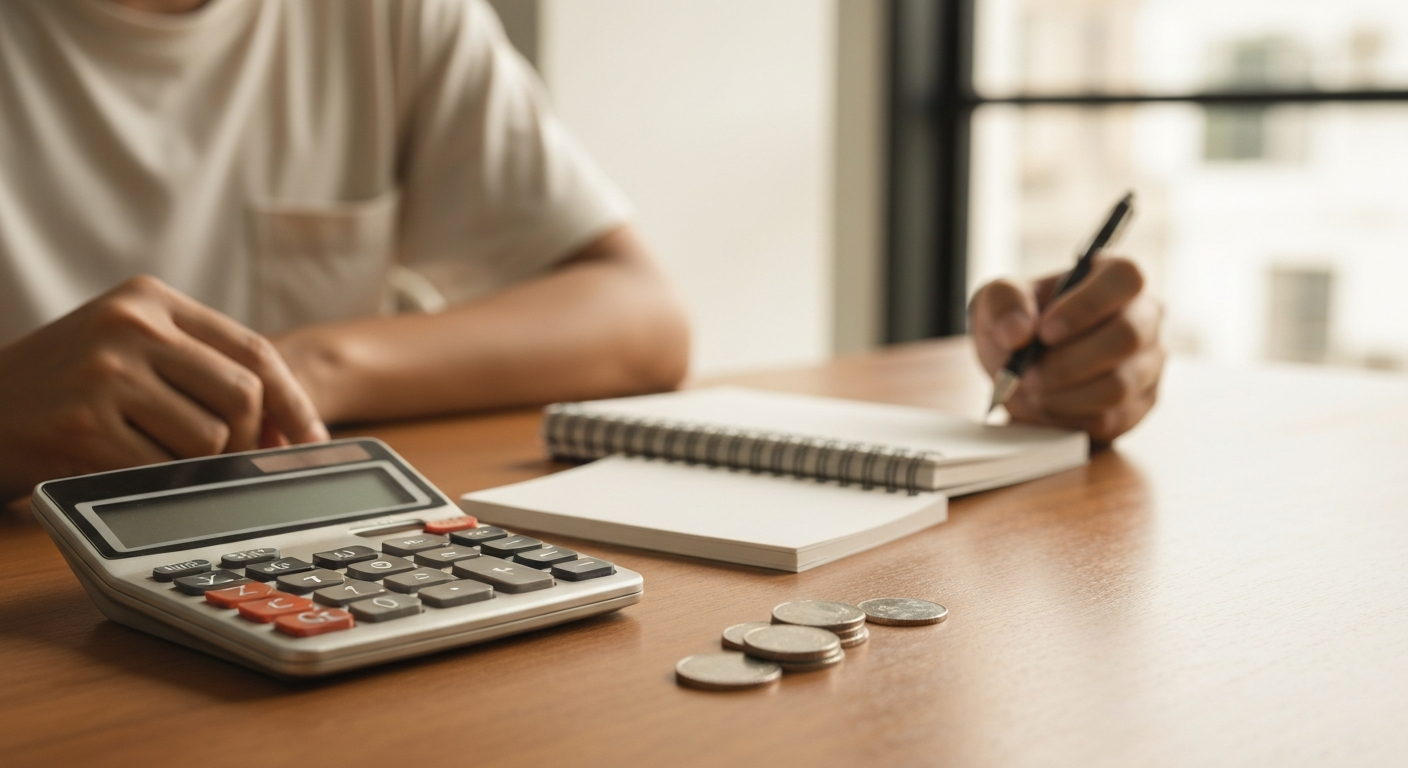
Quick Answer: Three separate charges sit between the peso price you agreed and the amount on your statement: the clinic’s card surcharge, the terminal’s dynamic currency conversion markup if you let it convert for you, and your own card’s foreign-transaction fee. At roughly 3% each, on a ₱500,000 arch (about US$8,224 at ₱60.79 = US$1) that is around $740 of pure friction. Always choose to be charged in pesos, ask about the clinic surcharge in writing before you commit, and keep an itemised official receipt for every payment.
Nobody plans a dental trip around bank fees, and that is exactly why they get missed. You will spend a fortnight comparing implant brands and clinic warranties, then hand over a card at the front desk without knowing what three different parties are about to add to the number. On a cleaning it does not matter. On a full arch it is worth a day of your attention.
What exchange rate are you actually getting?
Not the one you looked up. The mid-market rate — ₱60.79 = US$1 on 12 June 2026, the figure we use throughout this site — is the midpoint between the wholesale buy and sell prices. It is what search engines and rate sites display, and no consumer transacts at it.
What you actually get depends on the route. Card networks convert at their own published rate, which usually sits close to mid-market. High-street banks doing an international transfer typically build a wider margin into the rate itself, on top of any stated fee. Airport bureaux are the worst of the lot.
So treat mid-market as your benchmark, not your price. Look it up on the day you pay, compare it with what lands on your statement, and expect a small gap. If the gap is large, it came from somewhere, and it is usually the next section.
What is dynamic currency conversion, and why should you always choose pesos?
Dynamic currency conversion, or DCC, is the moment the card terminal asks whether you would like to be charged in your home currency instead of pesos. Always decline it and choose pesos.
If you accept, the conversion is performed by the merchant’s payment provider at a rate they set, and the markup is embedded in that rate rather than shown as a fee. You see a comforting number in dollars or pounds, and you pay for the comfort. Choose pesos and the conversion is done by your card network instead, at a rate you can look up afterwards.
The prompt shows up in more places than the clinic desk: ATMs, hotels, restaurants and online checkouts all offer it. The wording is designed to sound helpful. “Would you like to pay in USD?” is a sales question, not a service.
If the terminal has already been set to your home currency before you see it, ask for the transaction to be voided and re-run in pesos. Staff deal with this regularly and will not be offended.
What does your own card charge on top?
Separately from all of the above, most cards add a foreign-transaction fee on purchases made abroad. It is commonly quoted at up to around 3%, some travel and multi-currency cards charge nothing at all, and the only way to know yours is to check your own card’s terms.
Two details catch people out. First, the fee often follows the merchant’s country, not the currency on the receipt, so accepting DCC does not necessarily avoid it. You can end up paying the terminal’s markup and your bank’s fee on the same transaction. Second, a credit card cash advance is a different product from a purchase: withdrawing cash on a credit card typically attracts a separate fee and interest from the moment of withdrawal, with no interest-free period.
Before you fly, ring your bank and ask three things: the foreign-transaction fee, the cash-advance terms, and whether your card will be blocked by a large payment in the Philippines. A declined card at the reception desk of a clinic that has already started work is a bad afternoon.
Do Philippine dental clinics add a card surcharge?
Many do, and this is the one most likely to surprise you. Passing on the card processing cost to the patient is ordinary practice across the Philippines, typically a few percent, and it is frequently absent from the written quote you were emailed.
Ask about it at quoting stage, in writing, in the same message where you confirm the implant brand and warranty. The question is simple: what is the total payable if I pay by card, and what is it if I pay by bank transfer or in cash? A clinic that answers plainly is telling you something good about how it bills. A clinic that dodges it is telling you something too.
Note that the surcharge is applied to the peso amount, so it compounds with everything else. Three percent of a ₱500,000 arch is ₱15,000, or about $247, before your bank has touched the transaction.
the card surcharge is almost never disclosed until you are standing at the desk, and by then refusing it is not a real choice — the drilling has already happened, you fly out in four days, and arguing over 3% with the people who are about to fit your final crown is not a fight anyone wants. Get it in writing before you accept the treatment plan, not on the day. This is the single most avoidable cost on the page, and the one most people pay.
What does the spread cost on a full arch?
Enough to notice. Here is the worked example, using ₱60.79 = US$1 and assuming 3% at each of the three stages. The percentages are illustrative — yours will differ — but the shape is what matters.
A ₱500,000 arch, paid by card at the clinic
About $740 on top of the agreed price, for nothing. Two of those three lines are avoidable outright: decline DCC, and use a card with no foreign-transaction fee. The third is negotiable at quoting stage, or sidesteppable by paying the balance another way.
For context, here is why this only really bites on the big-ticket work.
| Procedure | Philippines | USA | You save |
|---|---|---|---|
| Single implant (complete) | ₱50k–150k ($822–$2,467) | $3,000–$6,000 | ~$2,900 (midpoints) |
| All-on-4 (per arch) | ₱400k–800k ($6,580–$13,160) | $20,000–$35,000 | ~$17,600 (midpoints) |
Single implant (complete)
All-on-4 (per arch)
Philippine prices are verified June 2026 from named clinics (how we verify); the full list is in the 2026 Philippine price guide.
How much cash can you realistically pull from a Philippine ATM?
Less than you think, and at a cost per attempt. Philippine ATMs generally cap withdrawals per transaction at a level that feels low by American, British or Australian standards, and most machines charge a fixed local fee per withdrawal regardless of the amount. Your own bank then adds its own charge, and the ATM screen will usually offer you DCC as well — decline it there too.
The arithmetic is unkind for large sums. Funding a ₱500,000 arch entirely in ATM cash means a long series of withdrawals across several days, each carrying a flat fee, plus daily limits set by your home bank, plus the ordinary risk of moving that much cash around a city you do not know.
Cash is the right tool for deposits, small procedures, extractions, cleanings, and everything outside the clinic. It is the wrong tool for the main invoice. Withdraw in the largest sensible amounts to spread the flat fees, and use bank ATMs inside branches or malls.
Bank transfer, card or cash for staged payments?
Different tools for different stages, which is exactly how staged payment should work anyway.
The deposit. A card payment or a modest transfer is fine. Keep it small, keep it traceable, and send it only to the clinic’s business account, never to an individual’s personal account.
The main balance. Price both routes before you pay. An international bank transfer often converts at a better rate for a large sum, but a traditional wire can be slow, may lose money to intermediary bank charges, and is effectively irreversible once sent. A dedicated international transfer service or a multi-currency account usually lands closer to mid-market than a high-street bank.
Cards give you a paper trail and, in principle, a dispute route. Do not treat that as a guarantee: disputes about the quality of a medical procedure are a different matter from a card being used fraudulently. Your protection is the written treatment plan and staged payment, not the chargeback.
What receipts do you need for a claim at home?
Two documents per payment, and you must collect them while you are still in the country. The first is an itemised official receipt from the clinic showing its name and tax number, the date, the procedure and the tooth involved, and the amount in pesos. The second is your card or bank statement, which shows what you actually paid in your own currency after conversion and fees.
You need both because they answer different questions. The receipt proves what was done; the statement proves what it cost you. A reimbursement claim, a tax question, or a home dentist reviewing your case can all hinge on one or the other.
Take photographs of every receipt the day you get it. Ask for the treatment plan and the surgical notes in the same folder. Chasing paperwork from another hemisphere, months later, through a clinic inbox is a miserable exercise, and most travel policies cover emergency pain relief rather than elective treatment — so know what you are claiming before you assume you can.
On carrying money in: the Philippines requires currency above a set threshold to be declared on arrival, with a separate and stricter rule for Philippine pesos. Those thresholds are set by the Bangko Sentral ng Pilipinas and enforced at the border, and they change, so check the current position rather than a figure in an article.
Before you book
Read how to pay for dental work abroad safely for the staged-payment structure this sits inside, size the whole number with the all-in trip budget, and check the payment red flags before you send a peso. If you are pricing a full arch, All-on-4 costs in the Philippines is where the fee arithmetic actually matters. When you are ready, tell us your case and we will match you with verified clinics that quote and bill transparently.
Sources
- Philippine prices: named-clinic price research by the team behind ClinicFinderPH, verified June 2026 — how we verify.
- US implant and All-on-4 ranges: US private-practice pricing shown as ranges, not survey data. Savings figures are midpoint-to-midpoint arithmetic, not a quote for your case.
- Exchange rate (₱60.79 = US$1, mid-market): ECB via Frankfurter, 12 June 2026. Rates move; confirm on the day you pay.
- Dynamic currency conversion: general international card practice — the choice of billing currency is yours at the terminal, and the markup is set by the merchant’s payment provider. Not a citation to any single provider’s schedule.
- Foreign-transaction fees, cash-advance terms and ATM charges: general market practice; these vary by issuer and by machine, and we have not verified any specific bank’s figures. Check your own card’s terms and the ATM’s on-screen disclosure.
- Clinic card surcharges (a few percent): common practice in the Philippines as observed in clinic quoting, not a published fee schedule. Ask each clinic directly.
- The 3% assumptions in the worked example: illustrative, chosen to show the shape of the stacking. They are not measured averages.
- Currency declaration rules: Bangko Sentral ng Pilipinas sets the thresholds for bringing foreign currency and Philippine pesos in and out; check the current figures there before travelling.
FAQ
Should I be charged in pesos or in my own currency at the card machine?
Always pesos. When a terminal offers to bill you in dollars, pounds or dollars-of-any-flavour, that is dynamic currency conversion, and the conversion is done by the payment provider at a rate of their choosing rather than by your card network. The convenience of seeing a familiar number costs you a markup on every peso. Decline it, choose pesos, and let your own card handle the conversion.
What is the mid-market exchange rate and will I get it?
The mid-market rate is the midpoint between what the currency is being bought and sold for on the wholesale market. It is the number search engines and rate sites show you, and no consumer pays exactly it. Card networks convert at their own published rate, which sits close to mid-market, and then your bank may add a fee on top. Treat mid-market as the benchmark, not the price.
Do Philippine dental clinics charge extra for card payments?
Many do. Passing on the card processing cost is normal practice in the Philippines, usually a few percent, and it is often not shown on the written quote. Ask before you agree the treatment plan, get the surcharge stated in writing, and compare it against what a bank transfer or cash would cost you in fees. On a full arch, a few percent is real money.
Can I just withdraw cash from an ATM to pay the clinic?
Not comfortably for a large bill. Philippine ATMs have modest per-transaction limits by Western standards, most charge a fixed local fee per withdrawal, and your own bank usually charges on top. Funding a full-arch case in cash means many withdrawals across several days, plus the risk of carrying it. Cash suits deposits, small procedures and daily costs, not a six-figure peso invoice.
Is a bank transfer or a card better for paying a dental clinic abroad?
It depends on the stage. Cards are convenient and leave a clear trail, but may carry a clinic surcharge and a foreign-transaction fee. International transfers usually convert at a better rate for large sums, though a bank wire is slow, can lose money to intermediary fees, and is effectively irreversible. Use a card or a modest transfer for deposits, and price both before paying a large balance.
How much does a 3 percent spread actually cost on dental work?
On a ₱500,000 arch, which is about US$8,224 at ₱60.79 to the dollar, 3 percent is roughly $247. Stack a clinic card surcharge, a terminal conversion markup and a card foreign-transaction fee at 3 percent each and you are near $740 on top of the price you agreed. That is the same order as a return flight leg, for money that buys you nothing.
What receipts do I need to keep from a Philippine dental clinic?
Ask for an itemised official receipt for every payment, showing the clinic name, tax number, date, the procedure and tooth involved, and the amount in pesos. Keep your card or bank statement alongside it, since that shows what you actually paid in your own currency after conversion. Any claim, reimbursement or tax question at home needs both documents, and they are far harder to get after you have flown.
Can I bring cash into the Philippines to pay for treatment?
Within limits. The Philippines requires currency above a set threshold to be declared on arrival and applies a separate, stricter rule to Philippine pesos themselves. The thresholds are set by the Bangko Sentral ng Pilipinas and enforced by the Bureau of Customs, and they change, so check the current rules before you pack anything. Carrying a full treatment budget in notes is rarely the sensible option anyway.
This is general information, not medical advice. Smile Philippines is an independent directory and guide, not a dental provider. Prices are indicative ranges, verified June 2026 — confirm the current price and your treatment plan directly with a licensed dentist. See our full disclaimer.

Want clinic recommendations + a quote?
Tell us what you need — we'll match you with 2–3 verified clinics and reply within 48 hours.
Get a Free Quote →