What If Something Goes Wrong? Warranties, Follow-Ups & Fixing Dental Work From Abroad
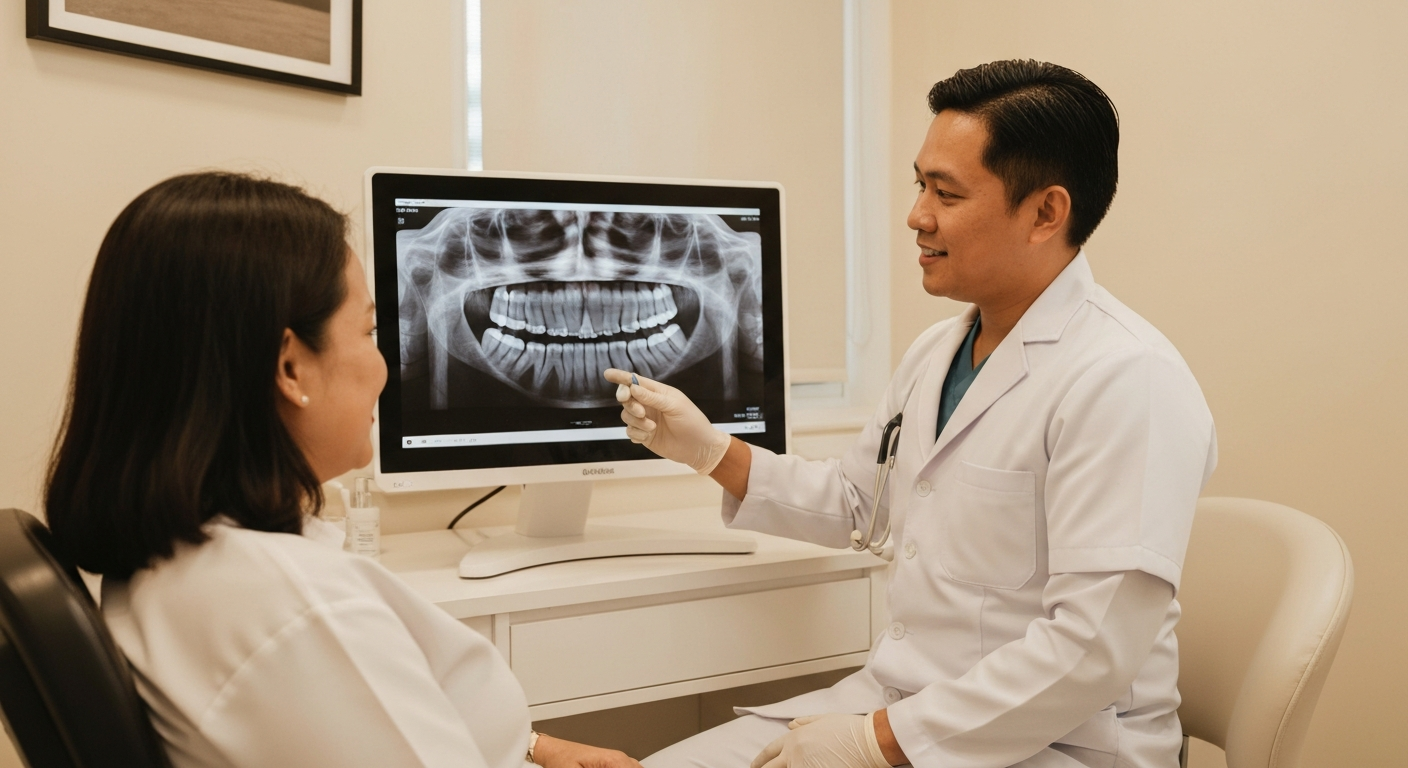
Quick Answer: Dental work abroad can fail the same ways it can anywhere — implant non-integration, infection, a crown or bite needing adjustment. The real difference is distance: fixing it means a local dentist or another flight. You manage that risk with a clinic that offers a written warranty and a clear follow-up plan, by keeping all your records, and by never choosing on price alone.
Most dental-tourism sites pretend nothing ever goes wrong. That’s not honest, and it doesn’t help you. Here’s the straight version — what can go wrong, and exactly how to be ready.
What actually can go wrong
- Implant doesn’t integrate — uncommon, but it happens; the implant is removed and the site re-treated after healing.
- Infection — manageable with prompt care; another reason to plan a post-op check.
- A crown, veneer or bridge needs adjusting — the most common and most minor issue.
- Bite feels off — usually a quick adjustment.
None of these are Philippine problems — they’re dentistry problems. The question is how you’d handle one from another country.
Warranties: read the fine print
Good clinics give a written warranty on implants and major work — often several years on the implant fixture. Before you book, check:
- What’s covered, and for how long.
- What you must do to keep it valid (usually attending reviews and maintaining hygiene).
- How claims work if you’re abroad.
A warranty is only as good as the clinic’s willingness to honour it — which is why reputation and reviews matter as much as the document.
Fixing a problem from home
For minor issues, a local dentist can usually help — adjusting a bite, re-cementing a crown, treating an infection. For bigger implant problems, you may need the original clinic (and your warranty). The thing that makes either possible:
keep everything — your treatment plan, x-rays, receipts, and especially the implant brand and size. A local dentist can only help with work they can identify, and your warranty claim depends on documentation. Photograph it all before you fly home.
How to reduce the risk before you go
The honest truth: most dental-tourism horror stories trace back to a rushed choice of a cut-price clinic, not to the country. Reduce your risk by:
- Choosing an experienced, well-reviewed, properly vetted clinic.
- Getting an itemised quote and warranty in writing.
- Building a buffer day for a post-op check before flying home.
- Keeping every record.
- Not picking the cheapest quote — in implants, too cheap usually means a no-name part or a corner cut.
Do those, and dental tourism is no riskier than treatment at home — just further away. Read is it safe? for the full vetting method, and tell us your case for matched verified clinics.
Two implant-specific cases worth reading before you fly: what to do when an implant fails, and peri-implantitis and the follow-up gap that dental tourism creates.
Arrange this before you fly: finding a local dentist to finish work started abroad. If something goes wrong while you are still there, see dental emergencies in the Philippines as a tourist.
Sources
- Clinic vetting + warranty checks: how we verify, the process behind ClinicFinderPH’s 21,000+ directory.
- Dentist licensing: Professional Regulation Commission (PRC), Philippines — prc.gov.ph.
FAQ
What can go wrong with dental work done abroad?
The same things that can go wrong anywhere: an implant that doesn't integrate, an infection, a crown or bridge that needs adjusting, or a bite that feels off. None of these are unique to the Philippines. What's different is distance — fixing a problem means either a local dentist or another flight.
How do dental warranties work for tourism patients?
Good clinics offer a written warranty on implants and major work (commonly several years on the implant itself). Read what it actually covers, for how long, and what you must do to keep it valid — usually attending reviews and maintaining oral hygiene. A warranty is only as good as the clinic's willingness to honour it, so reputation matters.
Can a local dentist fix work done overseas?
Often yes for minor issues — a local dentist can adjust a bite, re-cement a crown, or treat an infection. Bigger problems with implants may need the original clinic, especially to honour a warranty. Keep all your records, x-rays and the implant brand details so any dentist can help.
Should I get dental insurance or a guarantee for treatment abroad?
Some clinics offer their own guarantees, and a few third-party 'dental tourism' warranty products exist. Standard travel insurance rarely covers planned dental treatment. The most reliable protection is choosing a reputable clinic with a clear written warranty and a follow-up plan, then keeping thorough records.
How do I reduce the risk of dental tourism?
Choose an experienced, well-reviewed clinic; get everything in writing; build a buffer day for a post-op check; keep all records and the implant brand; and don't pick the cheapest quote. Most horror stories trace back to a rushed choice of a cut-price clinic, not to the country itself.
This is general information, not medical advice. Smile Philippines is an independent directory and guide, not a dental provider. Prices are indicative ranges — confirm the current price and your treatment plan directly with a licensed dentist. See our full disclaimer.
Want clinic recommendations + a quote?
Tell us what you need — we'll match you with 2–3 verified clinics and reply within 48 hours.
Get a Free Quote →