Flying Home After Dental Implants: Recovery, Timing & Aftercare (2026)
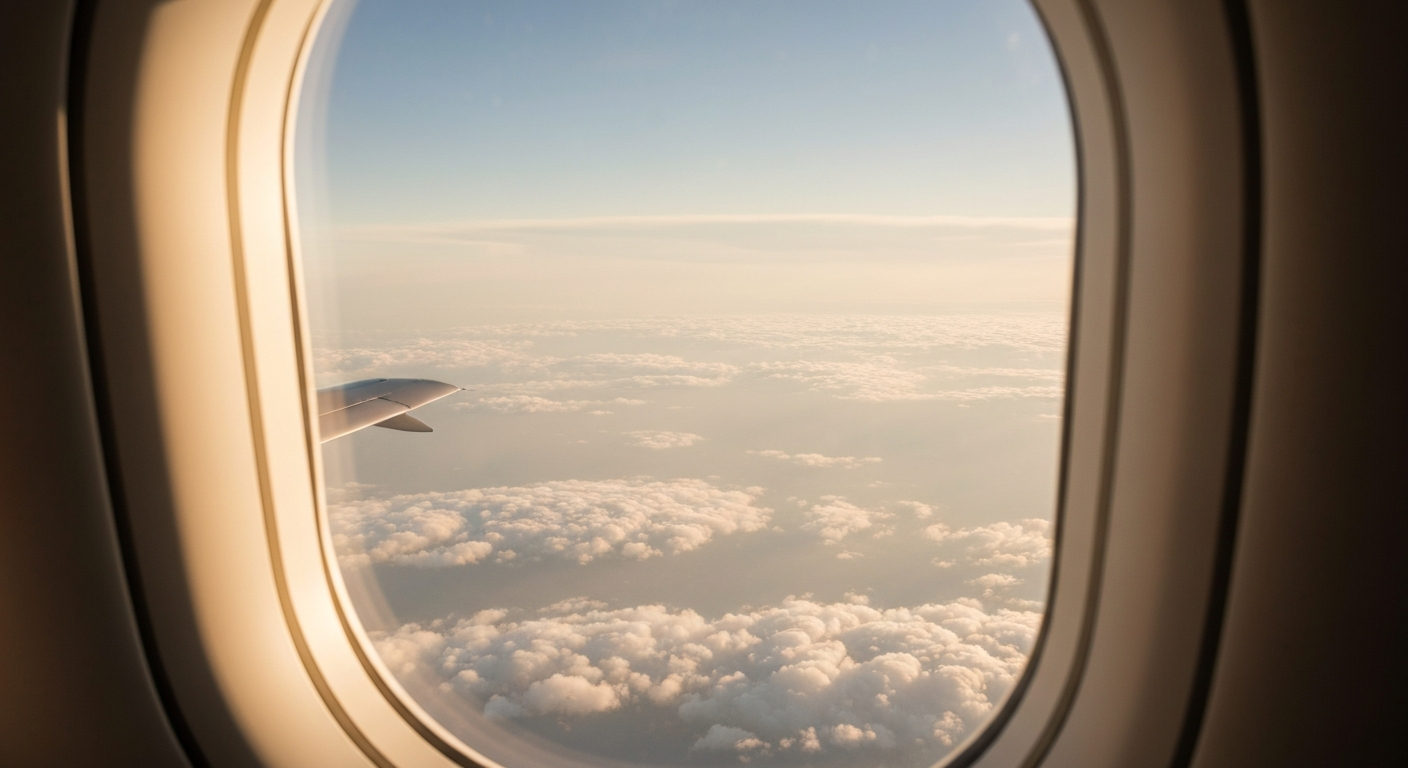
Quick Answer: For routine implant placement you can usually fly after 24–72 hours, and cabin pressure doesn’t harm healing implants. The reason to wait a day or two isn’t the flight — it’s so any early complication shows up while you’re still near the clinic. Plan gentle days right after surgery, don’t schedule major surgery the day before departure, and follow your surgeon’s specific aftercare. The real recovery happens at home, over the three-to-six-month gap before your second trip.
“Can I fly straight after?” is one of the most-asked questions in dental tourism — and the honest answer is mostly reassuring, with one piece of scheduling wisdom that matters. (This is practical trip guidance, not medical advice — your surgeon’s instructions always come first.)
How soon you can fly
For a standard implant placement, 24–72 hours is the typical comfort zone, and the cabin pressure itself isn’t a meaningful risk to a healing implant. The “tooth squeeze” worry people raise applies to untreated infections or trapped air under a recent filling — not osseointegrating implants.
So the wait isn’t about the plane. It’s about being near the clinic if something needs attention in the first couple of days.
What recovery feels like
- Single / few implants: mild-to-moderate soreness and some swelling for a few days, peaking around days 2–3, managed with prescribed painkillers. Functional quickly.
- All-on-4 / full arch: more swelling and a soft-food diet for a couple of weeks; you’ll usually leave with a fixed temporary set of teeth.
Either way: plan gentle days right after surgery — not sightseeing, not diving.
The scheduling rule that matters
the single best thing you can do is not book major surgery for the day before you fly home. Leave at least 2–3 days — ideally a few — between an implant placement (or surgical extraction) and departure, so you can attend a post-op check and any early complication surfaces while you’re still near the clinic, not at 38,000 feet or back home. Book flexible flights if you can. This one calendar decision prevents most “what do I do now?” situations.
Warning signs to watch
Contact the clinic if you notice, after the first couple of days: increasing pain (rather than easing), swelling that worsens, fever, a bad taste or discharge, persistent bleeding, or a loose temporary. These can indicate infection or an early problem — which is exactly why a day or two of buffer near the clinic is worth scheduling.
Aftercare at home, and the second trip
Once home: follow the clinic’s instructions — gentle cleaning, prescribed rinses or antibiotics, soft foods at first, and no smoking (it raises implant-failure risk). Keep the clinic reachable by email or chat, and it helps to line up a local dentist for basic checks. Then you return for the final crown or bridge three to six months later — see how the two trips work.
If something does go wrong after you’re home, warranties, follow-ups & fixing dental work from abroad covers your options. Choosing a clinic with a clear follow-up plan up front is the best insurance — that’s part of how we verify.
Planning an implant trip? Tell us your case and we’ll match you with verified clinics that brief you properly on recovery and aftercare.
This page covers implant placement. For extractions, temporary crowns and sinus lifts, see flying after dental surgery.
Sources
- Recovery and flying guidance: general post-operative dental principles; cabin-pressure risk relates to untreated infection/trapped air rather than healing implants. This is practical guidance, not medical advice — follow your treating surgeon’s specific instructions.
- Two-trip implant timeline and follow-up: see how many days for implants and our clinic verification method.
FAQ
How soon can I fly after getting dental implants?
For routine implant placement, most dentists are comfortable with flying after 24–72 hours, and cabin pressure itself isn't a significant problem for healing implants. The reason to wait a couple of days isn't the flight — it's so any early complication (bleeding, infection, a reaction) shows up while you're still near the clinic. Always follow your own surgeon's specific advice.
Does cabin pressure affect dental implants or healing?
Not meaningfully for implants. The old worry about 'tooth squeeze' relates mainly to untreated infections or air trapped under a recent filling, not osseointegrating implants. The practical issues with flying soon after surgery are swelling, managing discomfort on a long flight, and being far from your clinic if something goes wrong — not the pressure itself.
What does implant recovery actually feel like?
Most people have mild to moderate soreness and some swelling for a few days, peaking around days 2–3, manageable with the painkillers your dentist prescribes. Full-arch surgery (All-on-4) involves more swelling and a softer-food diet for a couple of weeks. You'll be functional quickly, but plan gentle days right after surgery rather than sightseeing or diving.
What warning signs should I watch for after implant surgery abroad?
Contact the clinic if you have increasing (not decreasing) pain after day 3, swelling that worsens rather than settles, fever, a bad taste or discharge, persistent bleeding, or a loose temporary. These can signal infection or early implant problems. Build a day or two near the clinic into your schedule so issues surface before you fly, and keep the clinic's contact details for once you're home.
How should I schedule surgery around my flight home?
Don't put major surgery on the day before you fly. Leave at least 2–3 days — ideally a few — between an implant placement or surgical extraction and your departure, so you can attend a post-op check and catch any early complication while you're still in the country. Book flexible flights if you can, in case recovery needs an extra day.
What aftercare do I need once I'm home?
Follow the clinic's instructions: gentle cleaning around the site, prescribed rinses or antibiotics, soft foods initially, and no smoking (it raises implant-failure risk). Keep your clinic reachable by email or chat for questions, and line up a local dentist who can do basic checks if needed. Then you return for the final crown or bridge once the implant has integrated, three to six months later.
This is general information, not medical advice. Smile Philippines is an independent directory and guide, not a dental provider. Prices are indicative ranges — confirm the current price and your treatment plan directly with a licensed dentist. See our full disclaimer.
Want clinic recommendations + a quote?
Tell us what you need — we'll match you with 2–3 verified clinics and reply within 48 hours.
Get a Free Quote →