Dental Implants in the Philippines: 2026 Cost vs USA
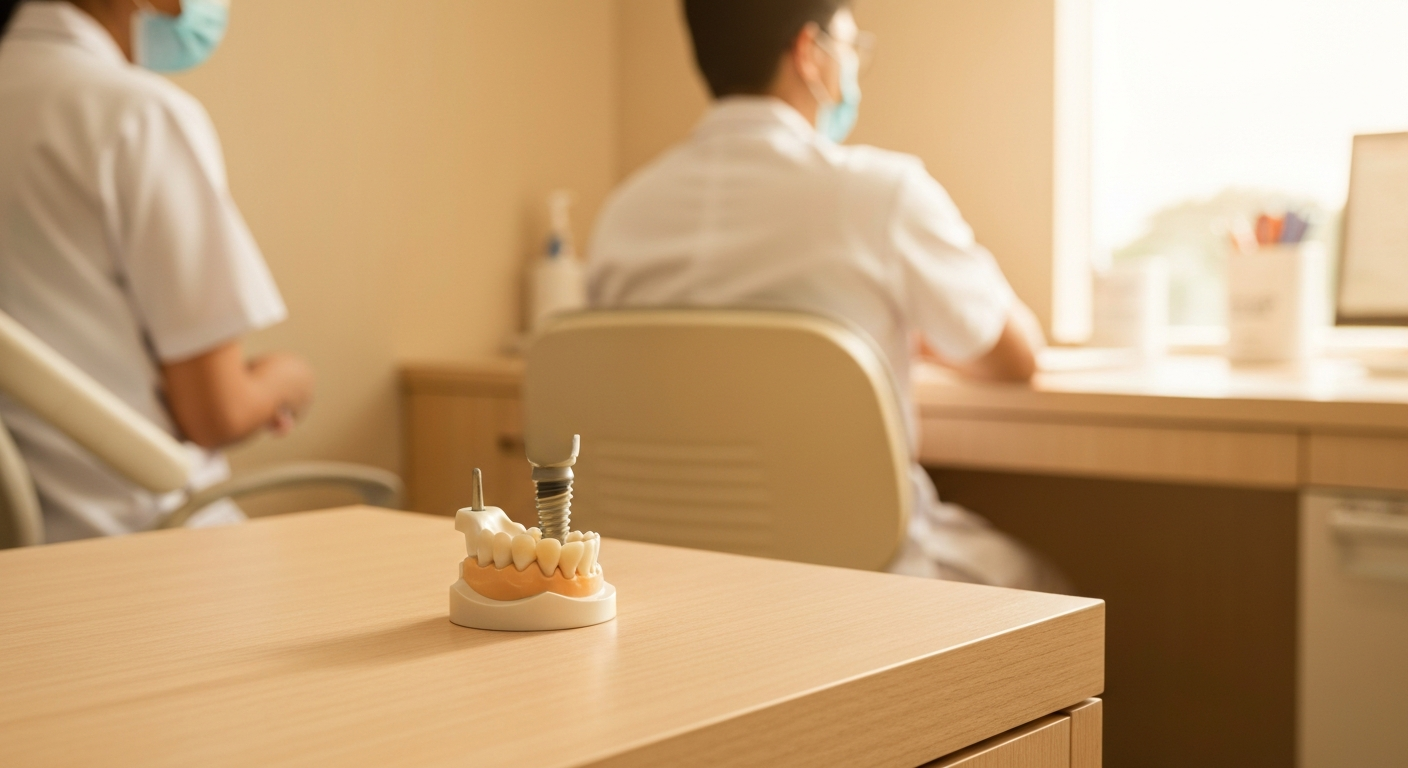
Quick Answer: A single dental implant in the Philippines costs ₱50,000–₱150,000 (about US$820–$2,470) in 2026, depending on the implant brand — roughly 60–70% less than the US range of about $3,000–$6,000. The catch: for one tooth, flights and a hotel eat much of the saving. The trip pays off most when you need several implants or a full-arch All-on-4.
Dental implants are the clearest example of why people fly to the Philippines for dental work — and also where the savings are most misunderstood. The headline gap is huge, but the honest answer depends on how many teeth you’re replacing. This guide breaks down the real 2026 prices, brand by brand, and shows where flying actually makes financial sense.
How much do dental implants cost in the Philippines?
A single implant runs ₱50,000–₱150,000 in 2026 — about $820–$2,470 at the June 2026 rate of ₱60.79 = US$1. The wide range is almost entirely about which implant system the clinic uses, not the city.
| Procedure | Philippines | USA | You save |
|---|---|---|---|
| Single implant — Korean/Israeli brand | ₱40k–80k ($660–$1,320) | $3,000–$6,000 | ~$2,000–$5,000 |
| Single implant — US/Swiss brand | ₱70k–150k ($1,150–$2,470) | $3,000–$6,000 | ~$1,000–$4,000 |
| All-on-4 (per arch) | ₱400k–800k ($6,580–$13,160) | $20,000–$35,000 | ~$13,000–$22,000 |
Single implant — Korean/Israeli brand
Single implant — US/Swiss brand
All-on-4 (per arch)
Philippine prices above are from named-clinic price research verified in June 2026 — see how we verify. The US figures are industry estimates (see Sources); the often-quoted “$4,800 average” traces to the American Dental Association fee survey but isn’t published openly, so we show a range, not a single number.
What you actually pay, by implant brand
The brand of the implant fixture is the biggest price lever. Higher tiers buy longer clinical track records and broader part availability — not necessarily a better outcome for a straightforward case.
- Korean (Osstem, Dentium): ₱40,000–₱70,000. The workhorse of Philippine implantology; huge global usage and strong evidence.
- Israeli (MIS, Adin): ₱50,000–₱80,000. Well-regarded mid-tier systems.
- American (Zimmer, BioHorizons): ₱70,000–₱100,000.
- Swiss/German (Straumann, Nobel Biocare): ₱100,000–₱150,000. The premium names, often chosen for complex cases or when parts must be serviceable anywhere in the world.
At many clinics the per-tooth price already includes the post, abutment and crown. Add-ons such as a bone graft (₱15,000–₱40,000) or sinus lift (₱20,000–₱50,000) are usually quoted separately, so always ask for an itemised breakdown.
Why are they so much cheaper?
The short answer: labour and overhead, not lower standards. A Philippine clinic buys the same Osstem or Straumann implant as a clinic in Los Angeles, but the dentist’s time, the rent, and the dental-lab work cost a fraction of US levels. You’re paying less for the same hardware — and, at a good clinic, comparable training. The materials cost roughly the same everywhere; almost everything else is cheaper here.
That’s also why being picky about the clinic matters more than being picky about the country. Is dental work in the Philippines safe? walks through exactly how to check a clinic’s licensing, sterilisation and materials before you book.
The real math — including the trip
Here’s the part most sites skip. For a single implant, the trip costs eat much of the saving:
One implant + crown — is the trip worth it?
About $1,450 saved on one tooth — real, but not life-changing once you’ve used vacation days and flown 14 hours. Now change one number: if you need four implants or an All-on-4 arch, the Philippine side barely moves on travel cost while the US side multiplies. That’s when the savings run to $13,000–$22,000 per arch — see the All-on-4 cost breakdown.
implants almost always need two trips, three to six months apart — one to place the implant, one to fit the crown after it fuses to bone. “Teeth in a day” immediate-load options exist but not everyone is a candidate. Budget for two sets of flights unless a clinic confirms in writing you qualify for single-visit treatment.
So when does flying for implants make sense?
- One implant: marginal. Worth it if you’re already visiting family or combining it with other work — even a wisdom tooth extraction or a cleaning while you’re in the chair.
- Three or more implants, an implant bridge, or All-on-4/All-on-6: this is the sweet spot — savings of five figures, even after two round-trip flights and hotels.
- You want a premium brand (Straumann/Nobel): the Philippine premium tier still undercuts US mid-tier pricing.
Want a real quote for your specific case? Tell us how many teeth and your rough travel dates, and we’ll match you with verified clinics — see the enquiry form.
For how these prices look to local residents (and where PhilHealth fits in), see the local implant price breakdown on ClinicFinderPH.
If you’re still deciding whether to travel at all, the dental tourism guide has the break-even math and dental implants abroad compares costs across every market we can source. US readers on Medicare should start with why Medicare doesn’t cover dental implants.
Before you assume your plan will pay a share, see does US dental insurance cover treatment abroad?.
For case-size specifics, see a single tooth implant and multiple implants — the per-implant price does not simply multiply.
Sources
- Philippine prices: named-clinic price research compiled by the team behind ClinicFinderPH, verified June 2026. Method: how we verify.
- US implant range ($3,000–$6,000): industry aggregators citing the American Dental Association Survey of Dental Fees (the ~$4,800 “average” is widely cited but not published openly) — e.g. CareCredit dental implant cost guide.
- UK comparison (single implant complete, from £2,400): Bupa Dental Care — cost of implants.
- Exchange rate (₱60.79 = US$1, mid-market): European Central Bank reference rate via Frankfurter, 12 June 2026. Rates move daily; confirm before you pay.
FAQ
Why are dental implants in the Philippines so much cheaper than the US?
It's labour and overhead, not lower-grade parts. Philippine clinics use the same implant brands sold worldwide — Korean Osstem, Israeli MIS, US Zimmer, Swiss Straumann — but a dentist's time, rent and lab costs are a fraction of US levels. You're paying less for the same hardware and (at good clinics) comparable training, not for a cheaper implant.
Is flying to the Philippines worth it for just one implant?
Honestly, the savings on a single tooth are modest once you add flights and a hotel — often a few hundred dollars to roughly $1,500. The trip pays off most when you need several implants, an implant bridge, or an All-on-4 full arch, where the price gap runs into many thousands of dollars.
What implant brands do Philippine clinics use?
Commonly Korean (Osstem, Dentium) and Israeli (MIS, Adin) systems at the lower price tiers, and American (Zimmer, BioHorizons) or Swiss/German (Straumann, Nobel Biocare) at the premium tiers. Always ask which system your quote is for — the brand is the single biggest driver of price.
How many trips to the Philippines do I need for an implant?
Usually two, three to six months apart: one to place the implant, one to fit the final crown after it fuses to the bone. Some patients are candidates for immediate-load ('teeth in a day') implants that compress this, but not everyone qualifies — ask the clinic before you assume one trip is enough.
Does the Philippine price include the crown?
Often yes — at many clinics the per-tooth implant price covers the post, abutment and crown. But not always, and extras like a bone graft (₱15,000–40,000) or sinus lift (₱20,000–50,000) are usually separate. Get an itemised quote that states exactly what's included.
Will my US dental insurance cover an implant done abroad?
Usually not directly, though some plans reimburse part of the cost if you submit itemised receipts and a treatment record. Check your policy before you travel, and ask the clinic for documentation written for an insurer.
This is general information, not medical advice. Smile Philippines is an independent directory and guide, not a dental provider. Prices are indicative ranges, verified June 2026 — confirm the current price and your treatment plan directly with a licensed dentist. See our full disclaimer.
Want clinic recommendations + a quote?
Tell us what you need — we'll match you with 2–3 verified clinics and reply within 48 hours.
Get a Free Quote →