Dental Work for Retirees in the Philippines: The SRRV Angle (2026)
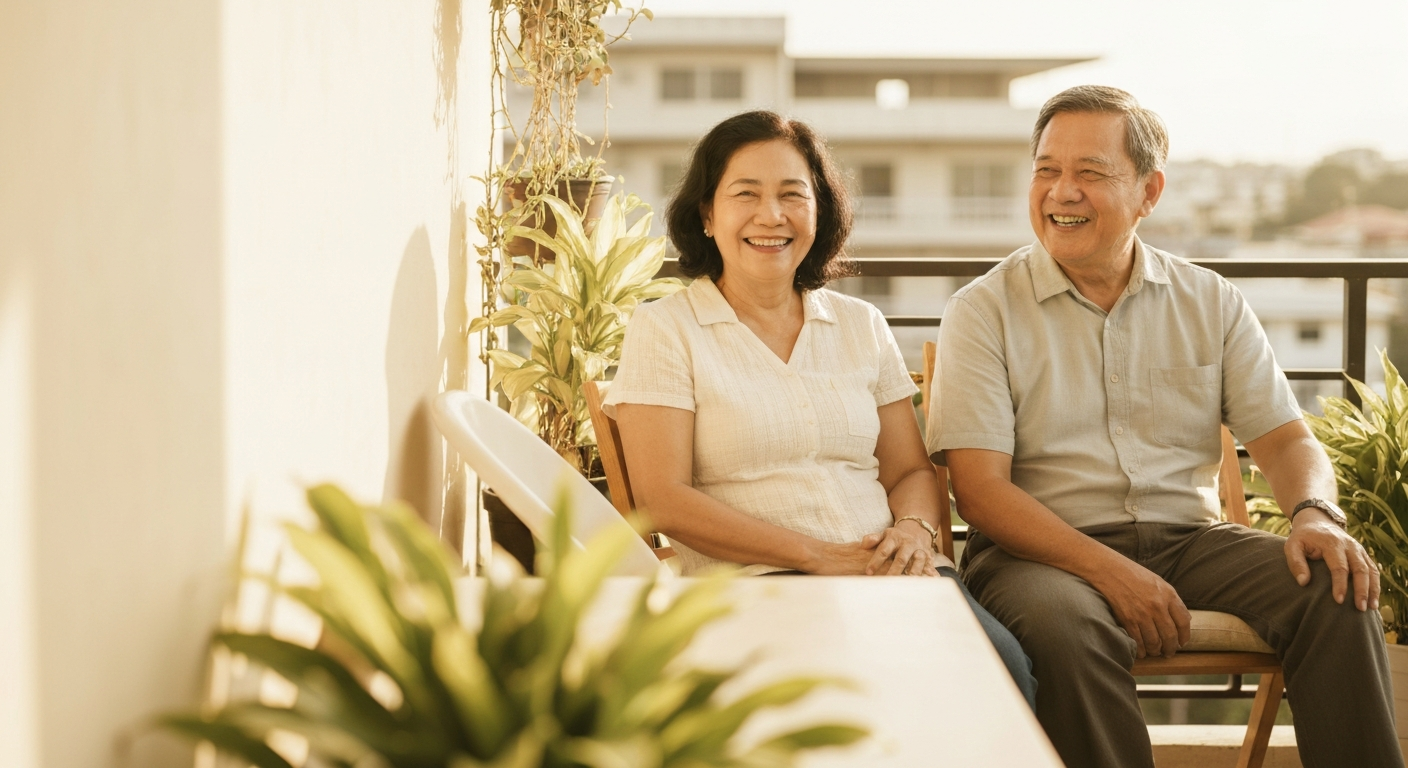
Quick Answer: Retirees are ideally placed for Philippine dental work — they often need the high-ticket procedures (implants, All-on-4, full-mouth) where the saving is biggest, and they have time, which implant dentistry needs (three to six months between placement and final teeth). The SRRV retiree visa (minimum age 40, refundable deposit of ~US$1,500–US$6,000) lets you live here long-term, turning the awkward two-trip timeline into simply visiting the same clinic twice while you get on with life — all at 60–80% below Western prices.
Big dental work and retirement fit together unusually well. The procedures retirees most often need are exactly the ones worth flying for — and the relaxed schedule of retirement removes the main logistical headache of implant tourism.
Why retirees are well-placed
- The right procedures. Implants, All-on-4 and full-mouth restoration are where the Philippine saving runs to five figures — and where retirees’ needs often sit.
- The right timeline. Implants need months to heal between two stages. Workers squeeze this into tight annual leave; retirees don’t have to.
- Continuity. Living here means the same clinic and dentist follow your case — for the implants and for routine care afterwards.
How the SRRV helps
The Special Resident Retiree’s Visa (SRRV) is the Philippines’ long-term residence visa for retirees:
- Minimum age 40 (lowered from 50 in a 2025 reform), in two brackets (40–49 and 50+).
- A refundable bank deposit — roughly US$1,500 for ages 50+, and US$3,000–US$6,000 for ages 40–49 depending on pension status — held in a PRA-accredited bank and returned if you surrender the visa.
It lets you live in the Philippines rather than manage tourist-visa stays — so the two-trip implant timeline becomes “place the implants, carry on living, return to the same clinic for the final teeth.” No second long-haul trip, no schedule pressure.
you don’t need the SRRV just to get dental work — the 30-day visa-free entry covers a normal trip, and it’s extendable. The SRRV matters if you’re spending real time in, or retiring to, the Philippines anyway; then dental care becomes a low-cost part of living here. SRRV rules and deposits change, so confirm current figures with the Philippine Retirement Authority (PRA) before relying on them — treat this as orientation, not immigration advice.
Ongoing care, not just one procedure
Beyond a single implant case, living here means check-ups, cleanings, crowns and future work are all a fraction of Western prices, with one clinic following your history. For retirees on a fixed income, that ongoing affordability and continuity of care is a real, lasting benefit — not just a one-time saving.
Before you book
See the visa basics, how implant timelines work, and the best time of year to visit. If you’re on Medicare, start with why Medicare doesn’t cover dental implants. Whether it’s one implant case or settling in for the long term, tell us your situation and we’ll match you with verified clinics.
Sources
- SRRV (Special Resident Retiree’s Visa): Philippine Retirement Authority (PRA) programme; minimum age 40 since the 2025 reform; refundable deposit ~US$1,500 (50+) / US$3,000–US$6,000 (40–49) by status, 2026 — confirm current rules with the PRA before applying.
- Dental prices: named-clinic price research by the team behind ClinicFinderPH, verified June 2026 — how we verify.
- This is general guidance, not immigration advice; visa rules change.
FAQ
Is the Philippines a good place for retirees to get dental work?
Very — retirees often need exactly the high-ticket work (implants, All-on-4, full-mouth restoration) where the Philippine saving is largest, and they usually have the one thing that work loves: time. With no rush to fit two implant trips into tight annual leave, retirees can place implants, let them heal, and return for the final teeth at a relaxed pace, all at 60–80% below Western prices.
What is the SRRV and how does it help?
The Special Resident Retiree's Visa (SRRV) is a Philippine residence visa for retirees, with a minimum age of 40 (since a 2025 reform) and a refundable bank deposit — around US$1,500 for those 50 and over, or US$3,000–US$6,000 for ages 40–49, depending on status. It lets holders live in the Philippines long-term, which makes managing the two-trip implant timeline (or ongoing dental care) far easier than juggling tourist-visa stays.
Do I need the SRRV just to get dental work done?
No. For a normal dental trip, the 30-day visa-free entry that US, UK, Australian and Canadian citizens get is plenty, and you can extend it if needed. The SRRV is relevant if you're planning to spend significant time in or retire to the Philippines anyway — in which case dental care becomes a convenient, low-cost part of living there, not a special trip.
How much is the SRRV deposit and is it refundable?
The required deposit is held in a PRA-accredited Philippine bank and remains your property — it's refundable if you later surrender the visa. As of 2026 it's roughly US$1,500 for applicants aged 50+, and US$3,000–US$6,000 for ages 40–49 depending on pension status, with additional amounts for extra dependents. Rules change, so confirm current figures with the Philippine Retirement Authority (PRA).
Why is the relaxed timeline an advantage for implant patients?
Implants need three to six months to integrate between placement and the final crown. Working retirees-to-be on tight schedules have to make two separate trips; a retiree living in or regularly visiting the Philippines can simply place the implants, carry on with life, and return to the same clinic for the final teeth without booking another long-haul trip. Same clinic, same dentist, no travel pressure — which is ideal for big cases.
Can I combine retirement living with ongoing dental care?
Yes, and many do. Beyond one-off implants, living in the Philippines means routine check-ups, cleanings, crowns and any future work are all available at a fraction of Western prices, with the same clinic following your case over time. For retirees on a fixed income, that ongoing affordability — and continuity of care — is a genuine quality-of-life benefit.
This is general information, not medical advice. Smile Philippines is an independent directory and guide, not a dental provider. Prices are indicative ranges — confirm the current price and your treatment plan directly with a licensed dentist. See our full disclaimer.
Want clinic recommendations + a quote?
Tell us what you need — we'll match you with 2–3 verified clinics and reply within 48 hours.
Get a Free Quote →